
CV Guide for Beginners: How to Create a Professional CV
A CV is more than a document — it is your personal marketing tool. For students and beginners, writing a CV can feel overwhelming due to lack of experience. This guide explains every CV section in detail, helping you present your education, skills, and potential in a professional way.

What Is a CV and Why It Matters
A CV (Curriculum Vitae) is a structured summary of your education, skills, experience, and achievements. Employers use CVs to decide who should be invited for interviews. A clear and well-written CV shows professionalism, attention to detail, and readiness for the workplace.
Personal Information Section
This section appears at the top of your CV and contains your basic contact details. Keep it simple and professional.
- Full name
- Professional email address
- Phone number
- City and country (full address not required)
- LinkedIn profile or portfolio (optional but recommended)
Personal Profile / Career Objective

The personal profile (also called career objective) is a short paragraph that introduces who you are, what you have studied, and what type of role you are seeking. Beginners should focus on education, transferable skills, and motivation.
Tips:
- Tailor it for each job application
- Highlight skills relevant to the role
- Avoid generic statements
Key Skills Section
Your skills section should reflect the skills required in the job description. Always prioritize the most relevant skills first.
Technical Skills
- Programming languages (e.g. Python, Java)
- Web technologies (HTML, CSS)
- Databases and tools
- Software and platforms
Transferable Skills
- Communication
- Problem-solving
- Teamwork
- Time management
Education and Training
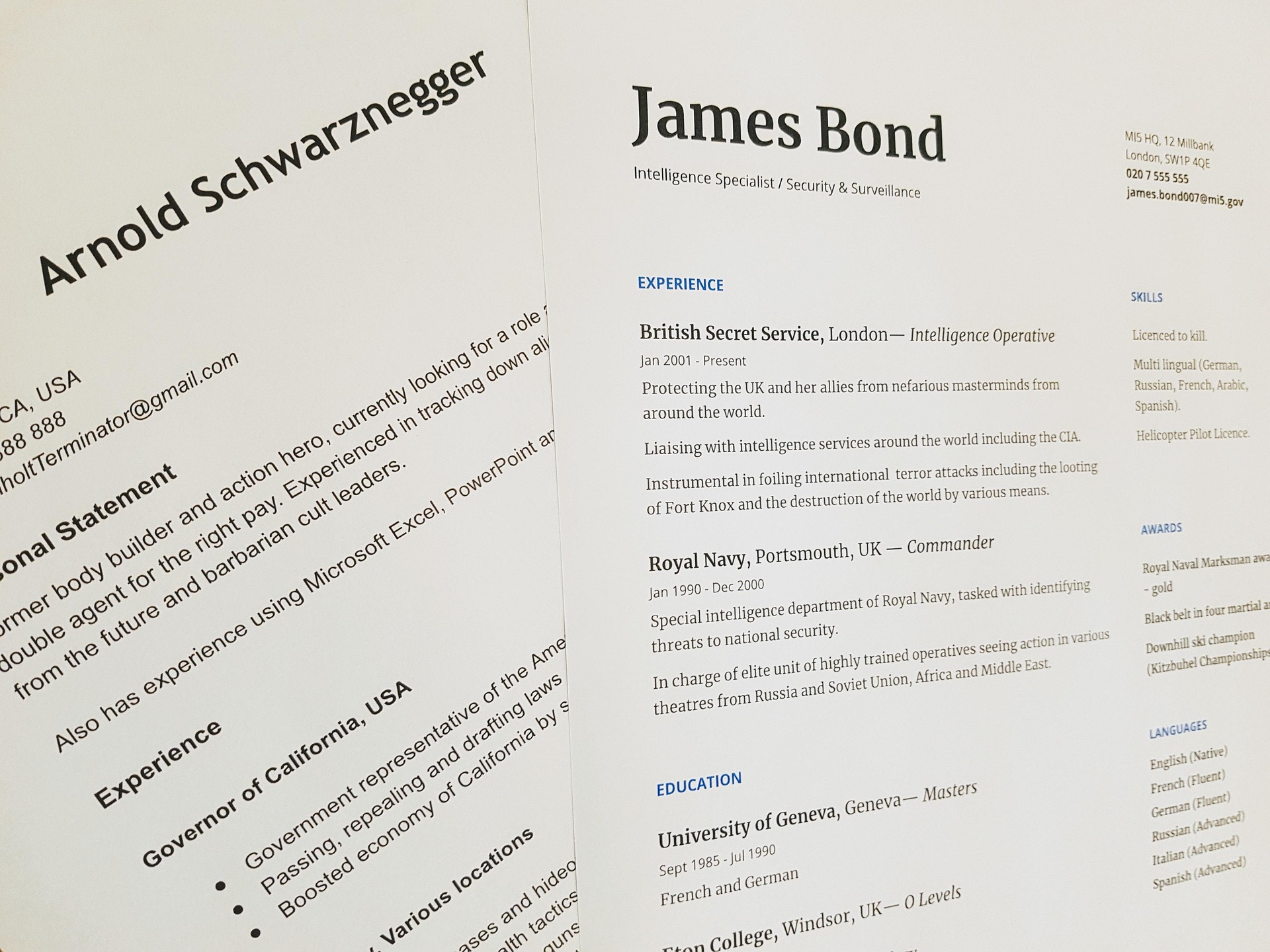
List your education in reverse chronological order (most recent first). Include course names, institutions, dates, and relevant modules.
- Include all education (local and international)
- Add links to courses or institutions if possible
- Mention projects if you lack work experience
Employment History
If you have work experience, list the most relevant roles first. Use bullet points that focus on achievements rather than duties.
- Use action verbs (Improved, Developed, Increased)
- Add numbers where possible
- Explain gaps honestly if needed
Projects and Continued Professional Development (CPD)
Projects and CPD are extremely important for students and beginners. They demonstrate practical skills and commitment to learning.
- Academic projects
- Online courses and certifications
- Personal or open-source projects
- Hackathons or workshops
Additional Sections
Optional sections can strengthen your CV if they are relevant:
- Memberships and professional groups
- Publications or blogs
- Languages
- Volunteering
- Interests (keep them relevant)
Final CV Tips
- Keep your CV to 1–2 pages
- Use simple fonts and neutral colors
- Tailor your CV for every job
- Proofread carefully
- Save as PDF unless stated otherwise
Next Step in Your Career Journey
Once your CV is complete, learning how to write a strong cover letter will significantly increase your chances of securing interviews.
Learn How to Write a Cover Letter